How Webinars Are Changing Customer Education in 2026

Surya Choudhury
Published on Apr 6, 2026 • 8 min read
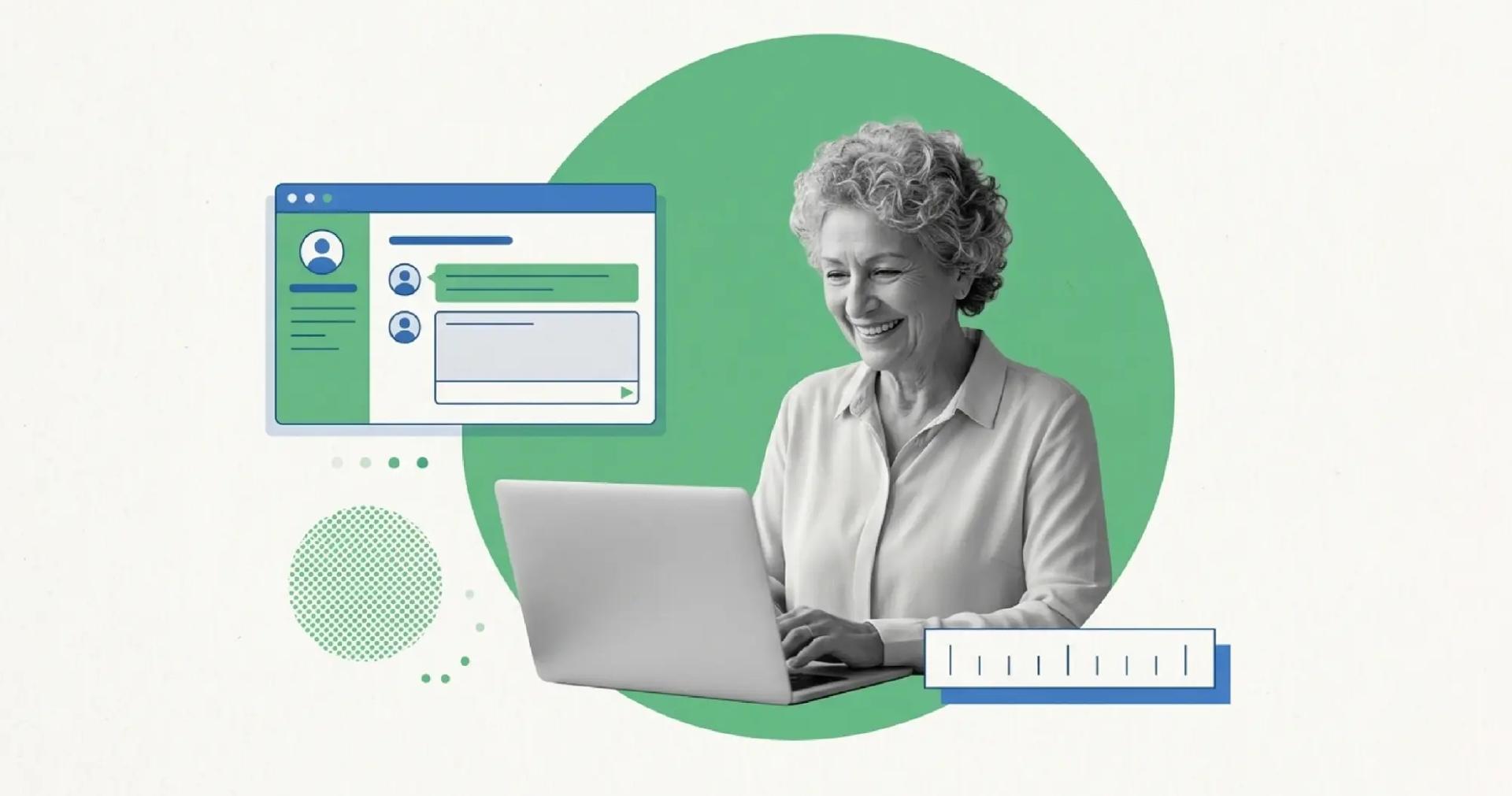
Summary: Webinars are replacing static docs and one-to-one calls as the primary channel for customer education. In 2026, the most successful SaaS teams are building scalable, measurable education programs, and webinars are the engine behind it.
The way webinars changing customer education has become one of the most important shifts in SaaS retention strategy heading into 2026. You built a great product. Your onboarding flow is solid. Your knowledge base has 200 articles. And customers are still churning at 90 days.
The problem is not your product. It is how customers learn, or, more accurately, how they do not. Static content does not teach. It waits. And most customers will disengage long before they find the answer they need.
In 2026, the companies with the strongest retention numbers are not spending more on support. They are investing in customer education, and live webinars are the engine driving it.
What Is Customer Education?
Customer education is the practice of proactively teaching your customers how to get real value from your product. It is not the same as customer support, which is reactive and responds to problems after they happen.
Customer education is intentional, structured, and delivered before customers get stuck.
Think of it this way. Support answers the question ‘What went wrong?’ Customer education answers ‘How do I get this to work well for me?’ One is a fire extinguisher. The other is fire prevention.
When done well, customer education covers the entire post-sale journey, from the moment a customer first logs in through their first meaningful win to confident, independent use of your product’s most powerful features. Unlike static docs,evergreen webinars keep teaching at every stage of that journey, automatically.
The Four Stages of Customer Education
Most customer education programs, whether formal or informal, move through four distinct stages:
| Stage | What It Means |
| Onboarding | Teaching new customers how to set up and use the product from day one |
| Adoption | Helping customers go from basic use to confident, habitual use of core features |
| Retention | Keeping customers engaged and successful so they renew and expand |
| Advocacy | Turning skilled, confident customers into referrers and case study subjects |
Each stage has distinct content needs, audience states, and success metrics. A great customer education strategy addresses all four , not just onboarding.
Why Does Customer Education Matter in 2026?
Customer education has always mattered. What changed is scale. A SaaS product used by 500 companies cannot rely on one-to-one calls to transfer knowledge. The math breaks.
A CS team of 10 cannot personally educate 500 customers to competence, not consistently, not cost-effectively, and not at the pace customers actually expect.
The companies that understand this are building education infrastructure. The ones that don’t are spending their CS budget on repeat conversations that should have been structured as a 20-minute session.
| Quick Definition Customer Education is the deliberate, structured process of teaching customers to get maximum value from your product throughout their lifecycle, from onboarding to renewal. |
Why Customer Education Is Broken Right Now
The problem is not product quality. Most SaaS churn happens because customers never got genuinely good at the product. They did not understand it deeply enough to see the value, and no one was there to show them at the right moment.
We have seen this pattern consistently across B2B SaaS companies: a new user completes onboarding, the CSM runs one 30-minute call, and then the customer is left to figure it out from a 47-page knowledge base they will never read.
Static documentation is passive. It assumes customers will seek out answers on their own time, in their own order. They will not. Drop-off begins the moment the handoff happens.
How Do Webinars Transform Customer Education?
Webinars transform customer education by replacing passive content with active, participatory learning. A customer watching a live product walkthrough, able to ask questions in real time, retains far more than someone reading a support article alone at midnight.
The shift is also practical. Live sessions create accountability. People show up, engage with polls, and leave with clear next steps. On-demand recordings give the flexibility that modern buyers expect. Together, they build a scalable education engine that does not require your CS team to repeat the same call 40 times a week.
The Shift: From Static Docs to Live and On-Demand Webinars
Why Are Customer Education Webinars Growing in 2026?
Three forces are converging simultaneously. SaaS products have become more complex. Buyer tolerance for friction has compressed sharply. And CS teams are being asked to scale outcomes without scaling headcount.
A single well-structured webinar can replace:
- 12 onboarding emails that average a 21% open rate and a 4% click rate
- 3 repetitive one-on-one calls consuming 90 minutes of CS capacity per customer
- An FAQ page visited by fewer than 8% of your user base
Companies using webinar-led education report 30 to 40% reductions in time-to-first-value, a metric that directly predicts long-term retention. Your customers are not students with open schedules.
They are professionals managing 90-minute windows between meetings. On-demand webinars meet them where they are. Scheduled live sessions build community and real-time accountability that async content alone never can.
What Customer Education Webinars Actually Look Like in 2026
The best customer education webinars in 2026 are built around one specific outcome per session. Not ‘product overview’, but ‘how to automate your reporting workflow in under 10 minutes.’
The outcome is concrete, the time investment is transparent, and the value is immediate.
Engagement tools, live polls, Q&A, and chat function as diagnostic instruments, not decoration. They surface which features confuse customers, which use cases resonate, and where the next content investment should go.
Here is what that looks like in practice.
A SaaS company launches a monthly Power User webinar series targeting 90-day customers. Each session ends with a live poll asking what feature attendees want covered next.
Within 60 days, NPS among webinar attendees rises by 18 points, not because the product changed, but because customers finally understood it. That is the return on education done with intention.
Are Webinars Still Effective? The Data Says Yes
The short answer is yes. The longer answer is that the performance gap between well-run and poorly run webinar programs has never been wider.
The benchmarks are specific. Average attendance rates for customer success webinar programs sit at 35 to 45%, meaningfully above typical marketing webinars.
One mid-market SaaS company reduced average onboarding time from 14 days to 6 by replacing their email drip sequence with a three-session webinar onboarding track.
Effectiveness is not a property of the channel. It is a function of whether the channel is being used with structure and intention.
How to Improve Future Webinars for Customer Education
Most webinar problems are structural, not technical. The platform rarely fails. The strategy usually does. Here is what the highest-performing customer education teams do differently.
High performers fix strategy, not tech. Key tactics:
- Pre-session surveys: 2 questions reveal real struggles.
- Measure completion: Track viewers who reach key insights and act post-webinar.
- Build content libraries: Turn lives into on-demand assets (cuts CS workload 20-30%).
- Segment by lifecycle: Tailor tracks for new users, power users, and renewals.
Traditional Training vs. Webinar-Led Education
The table below makes the operational case clear.
Webinar-led education is not just better content delivery. It is a more efficient model for the CS function at all scales.
| Dimension | Traditional | Webinar-Led Education |
| Scalability | Low, time per customer is fixed | High, one session reaches hundreds |
| Engagement | Passive, self-directed | Active, real-time interaction |
| ROI Visibility | Hard to attribute | Built-in: attendance, completion, adoption |
| Flexibility | Synchronous calls only | Live + on-demand hybrid |
| CS Team Effort | High, repetitive per customer | Reduced after initial content build |
| Time-to-Value | Inconsistent, no structured path | Consistent, outcome-led learning path |
| Customer Confidence | Depends on individual CSM quality | Higher , community + structured content |

Start your 7-day free trial with EasyWebinar and run your first customer education session this week.
Conclusion
Customer education is no longer a nice-to-have. It is the difference between a customer who churns quietly at 90 days and one who renews, expands, and refers.
Webinars are the most scalable, measurable, and engaging education format available in 2026. One well-structured session can do what dozens of emails and a knowledge base cannot. It puts a real person in front of your customer at the exact moment they need guidance.
If you are still relying on one-to-one calls and PDF guides to carry your customer education program, the gap is widening. Starting with a single webinar, one session, one outcome, one audience, is enough to see the difference.
FAQ
How to improve future webinars?
Use pre-session surveys to find real gaps, track completion rates over registrations, record every session for on-demand access, and segment by lifecycle stage.
Are webinars still effective?
Yes. Completion rates for focused on-demand sessions exceed 60%, and structured webinar onboarding drives up to 40% faster time-to-first-value than email or docs alone.
What makes customer education webinars different from marketing webinars?
The goal is skill transfer, not pipeline. Education webinars are shorter, outcome-specific, and built around what the customer needs to do next.
Does EasyWebinar work for on-demand customer education?
Yes. It supports live and automated on-demand delivery with built-in analytics and engagement tools — no technical setup required.

Surya Choudhury
Content Marketing Associate
About Author
Surya Choudhury is a content marketer at EasyWebinar, where he builds content that helps users get the most out of the platform. He focuses on product-led growth, creating content that guides users from discovery to activation and beyond.
Related Posts
10 Best Community Engagement Platforms in 2026
Compare the 10 best community engagement platforms in 2026. Course creators, evaluate live hosting, analytics, and replay to pick your winner today.
10 Best Online Coaching Tools in 2026: Live Session Quality, Scheduling, Recording, and Client Engagement Analytics
Compare the 10 best online coaching tools of 2026 on session quality, scheduling, and analytics. Discover the right fit for your coaching revenue model.
10 Best Webinar Hosting Platforms Ranked by Uptime, Streaming Quality & Cost
Compare 10 webinar hosting platforms ranked by uptime, streaming quality, and cost. Discover which tool actually turns attendees into revenue.
Turn every webinar into a revenue stream
Launch your first paid event in just a few clicks - and start monetizing your expertise.
Book a Call